
Are Logan Cabins Pet Safe? What to Look For
November 14, 2026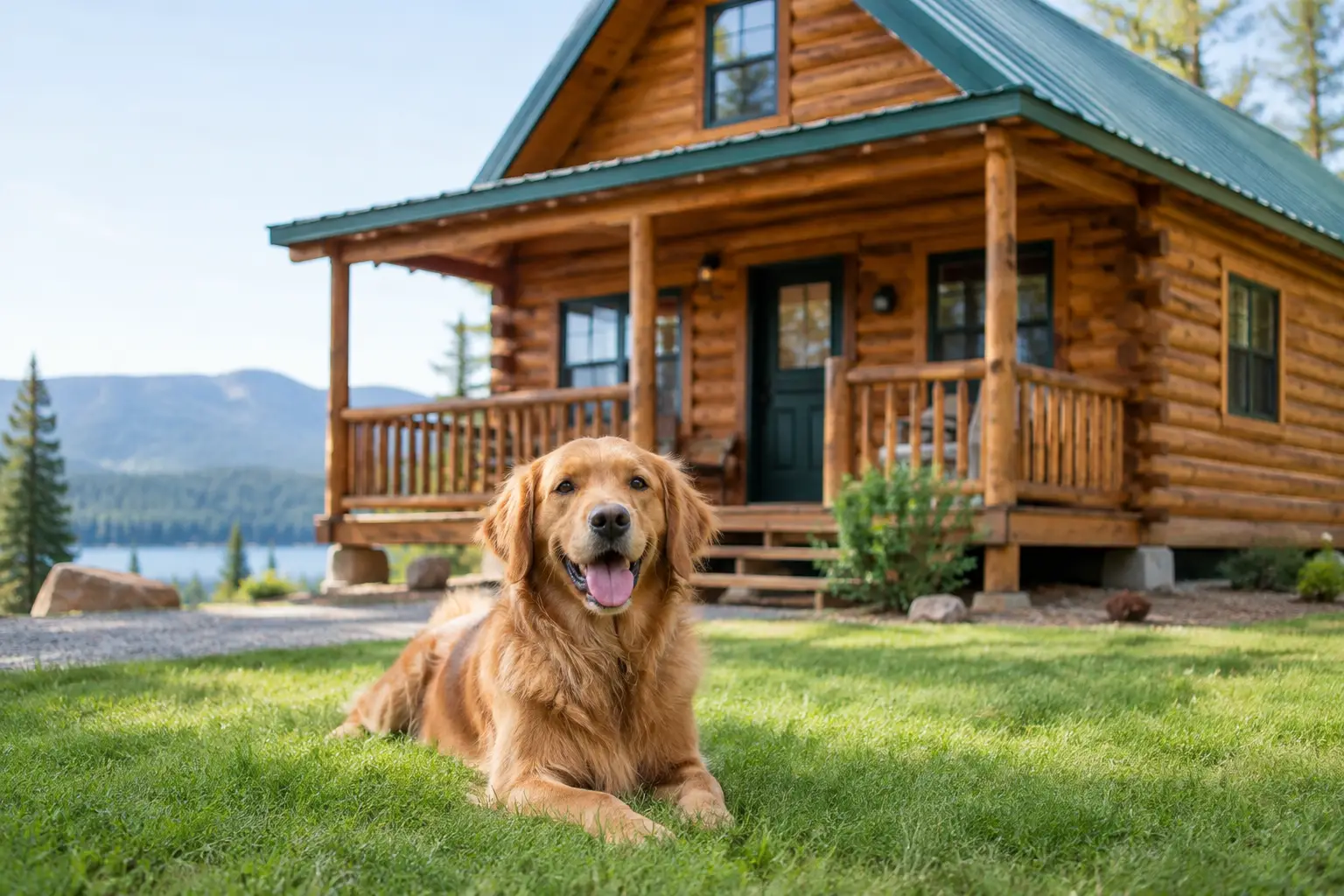
A dog’s idea of a perfect Hocking Hills getaway is pretty simple: new woodland smells, a sunny spot on the deck, and their people nearby. But before packing the leash and favorite blanket, many travelers ask, are Logan cabins pet safe? The honest answer is that it depends on the individual property, the season, and how well the cabin’s setup fits your dog’s needs.
A pet-friendly label is a good starting point, but it does not tell the whole story. A genuinely comfortable cabin stay considers where your dog can stretch their legs, how close the cabin is to roads or other guests, and how to enjoy favorite amenities without creating unnecessary risks. With a little planning, a wooded cabin can be a peaceful place for everyone to settle in.
Are Logan Cabins Pet Safe for Dogs?
Many cabins around Logan and Hocking Hills welcome dogs, but safety is not one-size-fits-all. A calm senior dog, a curious puppy, and a strong, energetic trail dog will each need something different from the property. The best choice is a cabin that gives your pet room to relax while making it easy for you to supervise them.
Look first at the outdoor setup. A dedicated dog run can make a meaningful difference, especially after a long drive or a busy day at Ash Cave and nearby trails. It gives dogs a familiar place to sniff, move, and take a break without relying entirely on a leash. At Majestic Woods Cabins, dedicated outdoor dog runs are part of the stay, so guests can build a little outdoor routine into their getaway.
Even with a run, pets should not be left outside unattended for long periods. Wildlife is part of the appeal of a wooded retreat, and it is also a reason to stay close. Deer, squirrels, raccoons, and unfamiliar sounds can excite even a normally laid-back dog. Keep an eye on gates, check that latches are secure, and use a leash whenever you are outside an enclosed area.
What Makes a Cabin Stay More Comfortable for Pets?
The safest cabin for your dog is usually the one that feels manageable from the moment you arrive. Privacy matters. A quieter setting can be especially helpful for dogs that become anxious around crowded sidewalks, hotel hallways, or unfamiliar pets passing close by.
Inside, take a few minutes for a pet-level check before unpacking. Notice where cleaning supplies, food, trash cans, cords, and small objects are stored. Bring your dog’s regular food and treats rather than introducing new snacks during the trip, since a stomach upset is no one’s idea of a relaxing weekend. A familiar bed or crate can also help a dog understand that this new place is still a safe place to rest.
Cabin floors, decks, and steps deserve attention, too. Wet leaves, morning dew, rain, and snow can make outdoor surfaces slick. Older dogs and small dogs may need a hand with steep steps, while active dogs may need a reminder not to sprint out the door. Closing the door behind you, rather than assuming your dog will wait, is one of those small habits that prevents a stressful chase through the woods.
Woodland Awareness Matters
The Hocking Hills area is beautiful because it is wild in all the best ways. That also means poison ivy, ticks, uneven ground, burrs, mushrooms, and wildlife can be part of the landscape. Keep dogs on marked trails and avoid letting them nose through dense brush or leaf piles where you cannot see what is beneath them.
A current flea and tick preventative is a smart idea before any wooded trip. Check your dog after walks, paying close attention around the ears, collar line, under the legs, and between the toes. If your dog swims, gets muddy, or rolls in something mysterious, a towel by the door will save your cabin floors and make cleanup easier.
It is also wise to bring proof of vaccinations, your veterinarian’s number, and a recent photo of your dog on your phone. Those are items you may never need, but they offer peace of mind when you are away from home.
Fire Pits, Hot Tubs, and Dogs
The features that make a cabin weekend feel special need a little extra care when pets are along. A fire pit is wonderful for slow evenings under the trees, but curious dogs should be kept at a comfortable distance from open flames, sparks, hot stones, and food scraps. Skewers, corn cobs, chocolate, onions, alcohol, and cooked bones can all create problems if they are left within reach.
Keep your dog leashed or settled beside you while the fire is going. Once the flames are out, remember that the ashes and metal surfaces may still hold heat. Do not let dogs walk through a recently used fire pit, even if it looks harmless from a distance.
Hot tubs require an even firmer boundary. Dogs should not enter the hot tub. The water temperature, treatment chemicals, slick cover, and deep sides can be unsafe for them, and drinking treated water may cause an upset stomach. Keep the cover closed when the hot tub is not in use, and make sure your dog has a bowl of fresh, cool water nearby instead.
Outdoor showers can be useful after a muddy hike, but check the water temperature before rinsing your pet. Use dog-safe shampoo if needed, and dry them well afterward, particularly on cool evenings. A clean, dry dog is more comfortable and helps keep the cabin cozy for the whole group.
A Practical Arrival Routine for Pet Owners
The first half-hour at a new cabin sets the tone for the trip. Let your dog explore slowly on a leash before giving them more freedom in a secure area. Show them where they will sleep, put down water, and take them out for a quick bathroom break before everyone gets settled.
Then walk the immediate outdoor space together. Identify the dog run, steps, deck edges, driveway, trash area, and any places you want your dog to avoid. This simple orientation is especially helpful for dogs that tend to bolt toward new scents or become overstimulated in unfamiliar places.
For most trips, pack a leash, long line, collar with updated ID tags, waste bags, food and bowls, medications, towels, a bed or crate, and a favorite toy. Add a flashlight or light-up collar for nighttime walks. Cabins are made for quiet evenings, and a little extra visibility makes those final potty breaks much easier.
Choosing the Right Pet-Friendly Cabin in Logan
When comparing cabin options, ask specific questions instead of relying only on the phrase “pets allowed.” Is there a secure outdoor space? Are there extra pet fees or limits on the number or size of dogs? Is the property close to traffic or shared with other cabins? Are pets allowed on furniture, and are there any rules about leaving them alone indoors?
These details are not about making a trip feel restricted. They help you choose a place where the rules and layout work for your real life. A couple traveling with one quiet dog may value a private deck and easy trail access. A family with an active young dog may prioritize a dedicated run and open space for play. Guests bringing more than one pet may need clear guidance on sleeping arrangements and outdoor supervision.
It is also worth considering your dog’s temperament honestly. If your pet is reactive around wildlife, nervous with unfamiliar sounds, or likely to chew when left alone, plan around that. Bring a crate, keep outings shorter, and choose calm activities that let everyone enjoy the setting without pushing your dog past their comfort zone.
A pet-safe cabin getaway is less about finding a flawless, risk-free patch of woods and more about choosing a thoughtful home base. With a secure place to play, close supervision around amenities, and a few familiar comforts from home, your dog can enjoy the fresh air right alongside you – then curl up peacefully after a full day outside.
