
Is Hocking Hills Good for Dogs? What to Know
August 18, 2026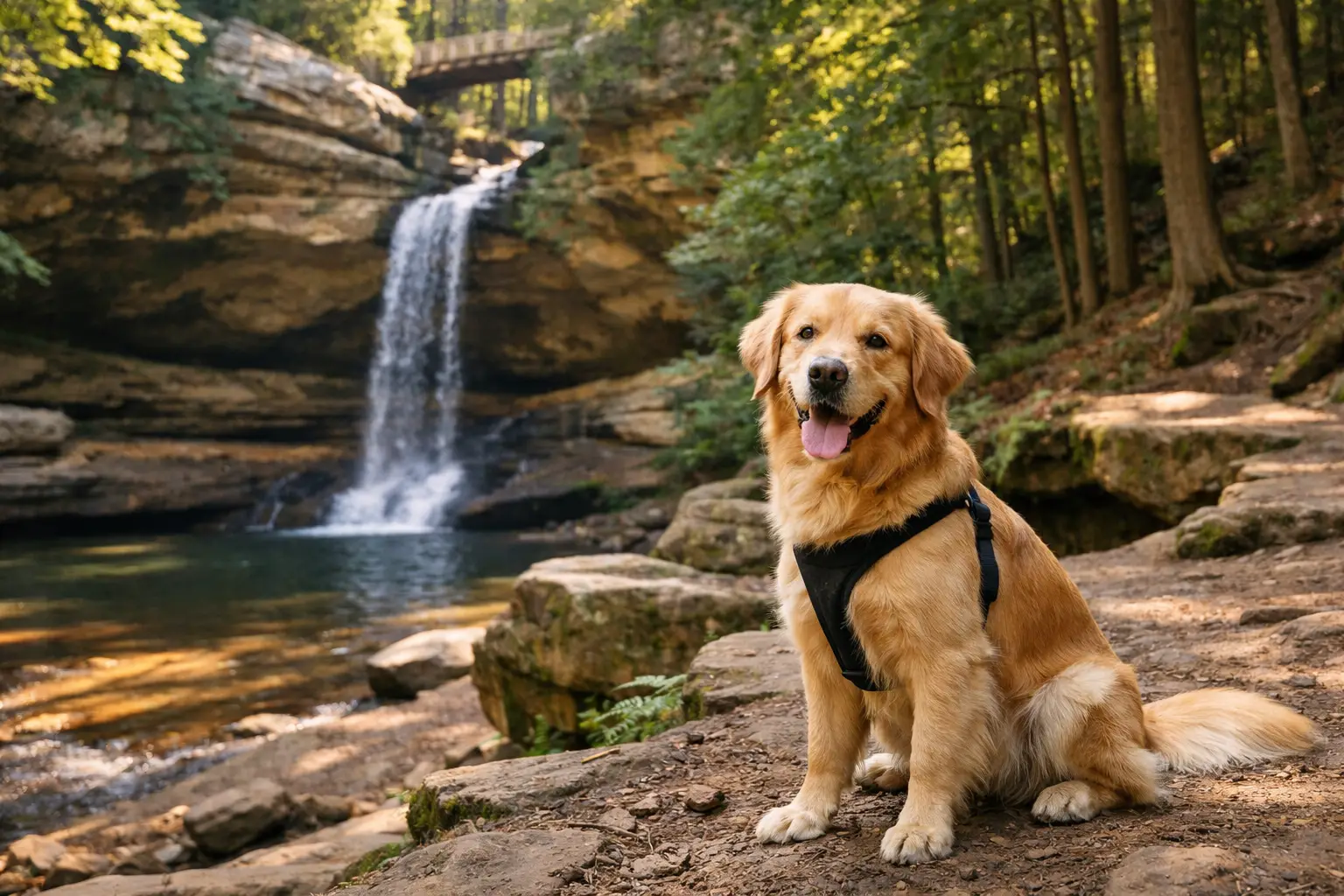
A Hocking Hills morning can start with cool woods, birdsong, and a dog happily sniffing every leaf along the deck. For travelers who hate leaving a pup behind, the practical question is: is Hocking Hills good for dogs? In many ways, yes. The area is a wonderful fit for dogs who enjoy fresh air, wooded walks, and a slower pace. The best trip, though, comes down to choosing the right trails, staying aware of terrain and weather, and booking a place where your dog can truly settle in.
Is Hocking Hills Good for Dogs? The Honest Answer
Hocking Hills can be an excellent dog-friendly getaway, especially for dogs that are comfortable on a leash and able to handle uneven ground. Its forested scenery, creekside paths, overlooks, and open-air attractions give people and pets plenty of room to enjoy time outside together.
But it is not a destination where every outing is effortless for every dog. Many popular areas include stone steps, narrow passages, wet rock, steep grades, and busy trailheads. A young, energetic dog may see that as a grand adventure. A senior dog, a very small dog, or a pup that gets nervous around crowds may be happier with shorter walks and plenty of downtime at the cabin.
Think of Hocking Hills as a place to enjoy at your dog’s pace rather than a checklist of every famous trail. One peaceful hike followed by a nap, dinner on the deck, and time by the fire pit can feel far better than rushing from stop to stop.
Why Dogs Tend to Love Hocking Hills
Woods, scents, and room to wander on leash
The region offers the kind of sensory-rich outdoor time most dogs rarely get at home. Forest trails bring new smells, soft ground, cool shade, and the sound of moving water. Even a modest walk can be satisfying when your dog has time to sniff, pause, and take it all in.
Hocking Hills State Park and surrounding public areas are known for dramatic natural features, but conditions vary greatly from trail to trail. Before heading out, check the current rules for the specific park, preserve, or attraction you plan to visit. Pet policies, trail closures, and leash requirements can change, and a leash is essential near other visitors, wildlife, steep drop-offs, and water.
A better fit than a hotel room
The lodging choice often determines whether a dog-friendly vacation actually feels relaxing. A cramped hotel room near a busy hallway can leave both people and pets on edge. A private cabin gives everyone more breathing room – a place for a dog bed, a familiar feeding routine, and a quiet spot to rest after being outside.
A wooded setting is especially helpful for dogs that need a calm environment. At Majestic Woods Cabins, dedicated outdoor dog runs give pups a secure place to stretch their legs between outings, while guests can still enjoy the comforts that make a getaway feel like a getaway: a private deck, fire pit, hot tub, and room to slow down.
Plenty to do without overplanning
One of the nicest parts of bringing a dog to Hocking Hills is that the day does not need to be packed. Start with a morning trail when temperatures are comfortable. Come back for lunch and a quiet afternoon. Take another short walk before dinner, then spend the evening outside under the trees.
That flexible rhythm is good for dogs and humans alike. It also leaves room for weather changes, muddy paws, or the simple reality that your dog may be ready for a nap before you are.
The Trade-Offs Dog Owners Should Plan For
The views in Hocking Hills are memorable because the landscape is rugged. That same beauty creates challenges. Waterfall areas can have slick stone, wet leaves, roots, stairs, and narrow routes. Keep your dog close, use a standard leash rather than a retractable one, and do not assume a trail is easy just because it is short.
Summer requires extra thought. Humidity can make a wooded hike feel hotter than expected, and trailhead parking areas can warm up quickly. Carry more water than you think you will need, look for shade breaks, and never leave your dog in the car. A cool morning outing is usually much more pleasant than a midday push.
Winter and early spring bring a different set of concerns. Ice, mud, cold creek water, and unpredictable footing can turn familiar paths into difficult ones. A dog with thick fur may still be uncomfortable if they are wet and standing around in the cold. Towel off paws and legs after a damp hike, and give your dog a warm, dry place to relax afterward.
Wildlife and other visitors also matter. Even friendly dogs can become overstimulated by squirrels, deer scents, unfamiliar dogs, or children moving quickly along a trail. Keeping a respectful distance protects everyone and helps preserve the calm, unhurried feeling that makes the area special.
How to Plan a Comfortable Dog-Friendly Stay
Choose a cabin that supports your routine
Before reserving a stay, look beyond the words “pet-friendly.” Ask what that means in practice. Is there outdoor space? Are there pet fees, size limits, breed restrictions, or limits on the number of dogs? Can your dog be left alone in the cabin? Are there steps, close neighbors, or fragile furnishings that might make the stay harder?
A cabin with private outdoor space and easy access to walking areas can make a major difference. It gives your dog a familiar place to begin and end each day, rather than requiring every bathroom break to become an outing.
Match the trail to your dog, not the photo
The most photographed destination is not always the best one for your dog. Consider your pup’s age, confidence, fitness, and behavior around strangers. A short, shaded route with time to sniff may be ideal for one dog, while an athletic dog with trail experience may enjoy a longer outing.
Look at trail descriptions before you leave, paying attention to distance, stairs, elevation changes, and recent conditions. If a route sounds too steep or crowded, skip it without guilt. Hocking Hills is full of beautiful views, and a quieter trail or scenic drive can still make the day feel like an escape.
Pack for muddy paws and changing weather
A few simple supplies prevent small inconveniences from taking over the trip:
- A sturdy leash and a backup leash or harness
- Collapsible water bowl and plenty of fresh water
- Waste bags for every walk and trail stop
- Towels for paws, coats, and wet bellies
- Your dog’s food, medication, treats, and a familiar bed or blanket
- A pet first-aid kit, tick remover, and current ID tags
It also helps to keep a paw-cleaning plan by the cabin door. Hocking Hills mud has a way of finding its way onto floors, blankets, and the back seat after a rainy trail day.
A Few Dog Etiquette Details Go a Long Way
Pet-friendly travel stays pleasant when owners make it easy on fellow guests, local wildlife, and trail staff. Pick up waste promptly, keep barking under control, and do not let your dog approach another hiker or pet without permission. Not every person wants to meet a dog, and not every dog wants to meet yours.
Treat waterfalls, cliff edges, overlooks, and creeks with extra caution. Photos are never worth a risky step. If your dog seems tired, anxious, overheated, or overly excited, head back early. A relaxed dog will enjoy the next outing much more than one pushed past their limit.
Frequently Asked Questions About Dogs in Hocking Hills
Are dogs allowed on Hocking Hills trails?
Many outdoor areas in and around Hocking Hills welcome leashed dogs, but rules differ by property and can change with closures or seasonal conditions. Confirm the current policy for each trail, park, and attraction before you go, especially if you are visiting a nature preserve or a privately operated site.
Are Hocking Hills waterfalls safe for dogs?
They can be, as long as you choose an appropriate route and stay alert. Waterfall trails may include slick rock, stairs, and crowded viewing spots. Keep your dog leashed, avoid steep edges, and be ready to turn around if footing or crowds feel uncomfortable.
What is the best time of year to visit with a dog?
Fall is beautiful but often busy, while spring brings flowing waterfalls and frequent mud. Summer works well with early starts and shade breaks. For many dogs, the quieter shoulder seasons can be especially comfortable because temperatures are milder and trails may feel less crowded.
A good dog trip to Hocking Hills is not about covering the most ground. Let the day unfold slowly: a wooded walk, a clean towel by the door, a contented dog asleep nearby, and one more quiet evening outside before heading home.
