
A Dog Friendly Trip Example for Hocking Hills
July 13, 2026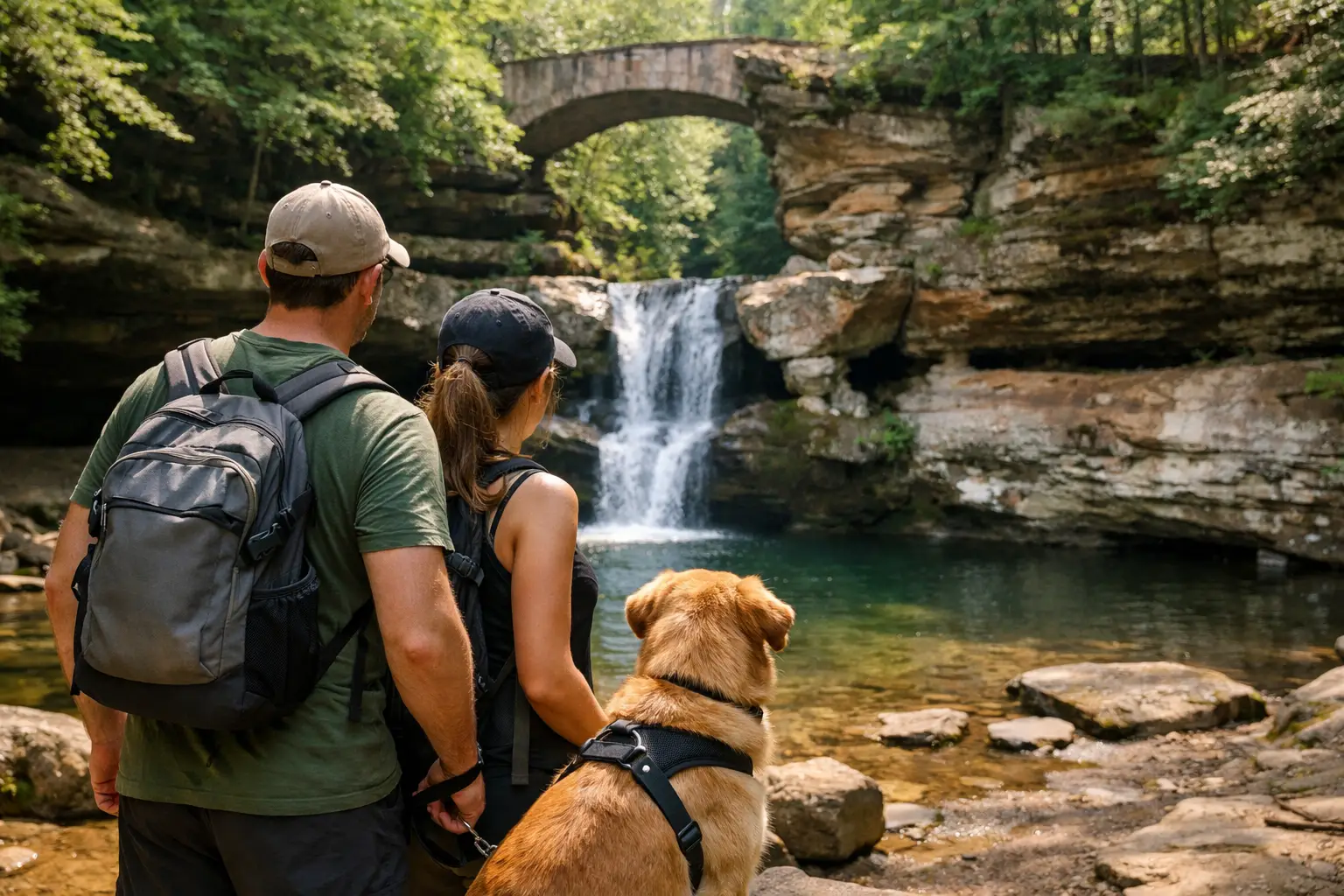
A good dog friendly trip example is not a rushed weekend where your dog spends most of the time waiting in the car or adjusting to a strange schedule. It is a few unhurried days where everyone has space to settle in: morning walks beneath the trees, an easy outing to a nearby trail, a quiet afternoon back at the cabin, and a fire glowing after dark.
Hocking Hills is especially well suited to that kind of getaway. The region gives you dramatic sandstone scenery and wooded trails, but it also lets you build a trip around comfort. With the right cabin and a simple plan, bringing your dog can make the whole escape feel more like home.
A dog friendly trip example for three relaxing days
Picture arriving on a Friday afternoon with your dog, your favorite snacks, and no packed sightseeing schedule. After checking into a private cabin, the first goal is simple: let everyone decompress. Give your dog time to sniff around the designated outdoor area, unpack the basics, and take a short walk before dinner.
At a cabin with a dedicated dog run, that arrival window becomes much easier. Your dog can stretch their legs in a secure space while you carry bags inside, start dinner, or simply stand on the deck and take in the woods. It is a small detail, but it can set a calmer tone for the entire stay.
After dinner, keep the first evening close to home. Settle by the fire pit while your dog rests nearby, then enjoy a soak in the hot tub once they are comfortable inside. A cabin stay works best when the lodging is part of the experience, not just a place to return to after a long day.
Saturday morning: Start slowly, then find a trail
There is no need for an early alarm unless your dog has other ideas. Make coffee, enjoy breakfast on the deck, and take a quiet morning walk before heading out. Many dogs are happiest when they have a chance to move before getting into the car, especially in a new place.
For a Hocking Hills outing, choose a trail that matches your group rather than trying to fit every landmark into one day. A couple traveling with an older dog may prefer a shorter, gentler walk and plenty of time to pause. An active family with a trail-ready pup may want a longer route with more elevation and interesting terrain.
Ash Cave is one of the area’s memorable stops, and its broad rock shelter makes a beautiful reward for a morning outdoors. Before you go, check current park guidance, trail conditions, and pet rules. Keep your dog leashed, bring water, and remember that warm weather, slick rocks, crowds, and long distances can change what is comfortable for them.
Back at the cabin, plan for a real break. Dogs often need more rest than we expect after a day of new sights and smells. Let yours nap in a familiar blanket or crate while the rest of the group makes lunch, plays a round of disc golf, or relaxes with a movie.
Saturday evening: Make the cabin the destination
A dog-friendly vacation does not have to mean giving up the parts of a getaway you look forward to most. The key is choosing a place that makes staying in enjoyable. At Majestic Woods Cabins, guests can pair wooded privacy and a dedicated outdoor dog run with features that make a weekend feel special, including hot tubs, outdoor showers, fire pits, streaming access, pickleball, basketball, and disc golf.
That mix gives a group options. One person can read on the deck while another shoots hoops. The dog can have a final supervised stretch outside before settling down for the night. Later, everyone can gather around the fire with a simple dessert and listen to the woods get quiet.
If your dog is sensitive to unfamiliar sounds, bring what already helps at home: a white-noise machine, their bed, a crate if they use one, and a favorite chew. A cozy cabin can be wonderfully peaceful, but nighttime wildlife and new scents can be exciting for curious dogs. A little routine goes a long way.
What makes a dog-friendly cabin trip actually work
Pet-friendly does not always mean pet-considerate. Some places allow dogs but offer little room to manage them comfortably. Others make it easier to balance your dog’s needs with your own time away.
Look beyond the pet policy when choosing where to stay. A private setting can be helpful for dogs that are nervous around other guests or reactive to unfamiliar animals. Outdoor space matters, too, especially if you want a relaxed morning instead of immediately searching for a place for a bathroom break. Easy access to trails is useful, but so is having enough to do at the cabin when your dog needs downtime.
It also helps to be realistic about your dog’s travel style. A confident, high-energy dog may enjoy a full trail day followed by a nap. A senior dog, a puppy, or a dog who gets anxious in new places may do better with short outings and more time at the cabin. The best itinerary leaves room to adjust rather than treating every stop as mandatory.
Pack for comfort, not just the car ride
The familiar items are often the most valuable ones on a cabin getaway. Bring your dog’s food, bowls, medications, leash, waste bags, towel, bed or crate, and a long line only where it is permitted and safe to use. Pack extra water for trail outings, plus a collapsible bowl.
A few practical extras can save the day: a tick check tool, pet-safe insect protection recommended by your veterinarian, a light-up collar for evening walks, and an old sheet for muddy paws. Hocking Hills weather can shift quickly, and wooded trails may be damp even after several dry days.
For cabin time, a chew or puzzle toy can be helpful while you cook dinner or relax in the hot tub. Just avoid bringing something brand new that could upset your dog’s stomach or make them overly excited in an unfamiliar setting. Vacation is a nice time for treats, but consistency still matters.
Keep the outing comfortable for everyone
A thoughtful dog-friendly trip is also considerate of the land and the people sharing it. Leashes protect wildlife, other visitors, and your own dog from hazards they may spot before you do. Pick up waste promptly, keep your dog from wandering off trail, and give other hikers extra space if your dog is uncertain around strangers.
Pay attention to the temperature and trail surface. A shaded forest route can feel pleasant to people while still being demanding for a dog climbing, navigating roots, or walking on warm stone. Take breaks before your dog looks tired. If they are panting heavily, lagging behind, or losing interest, head back and let the rest of the day be easy.
The same goes for your expectations. You may not see every waterfall, restaurant, or overlook during one weekend, and that is perfectly fine. The best memories are often the quieter ones: your dog snoozing after a long walk, coffee on a misty deck, a game outside before dinner, and the simple relief of having nowhere else you need to be.
Plan enough structure to feel prepared, then leave plenty of open space. Your dog will appreciate the slower pace, and chances are, you will too.
