
A Guide to Pet Travel Lodging in Hocking Hills
July 11, 2026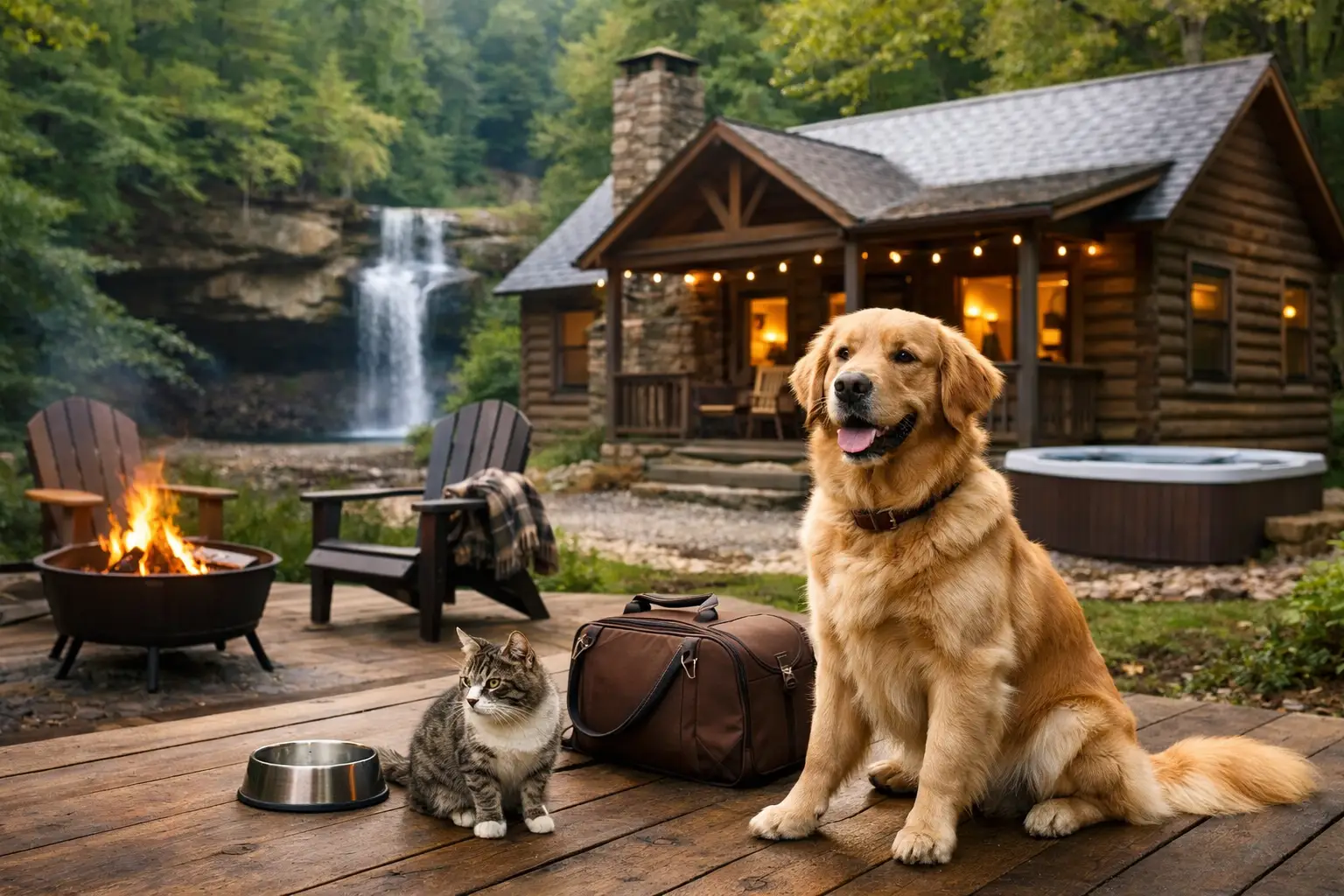
A trip to Hocking Hills is better when nobody in the family is left behind. But a good guide to pet travel lodging is about more than finding a place that allows dogs. The right stay gives your pet room to settle in, gives you space to relax, and makes it easier to enjoy wooded trails, slow mornings, and evenings around the fire without worrying about every little detail.
For couples, small families, and friend groups, a pet-friendly cabin can turn a quick getaway into real time together. A little planning helps keep the experience calm for your dog, respectful of the property, and comfortable for everyone sharing the cabin.
Guide to Pet Travel Lodging: Start With the Right Cabin
“Pet-friendly” can mean very different things from one property to another. Some rentals simply permit pets indoors. Others are designed with pet owners in mind, offering outdoor space, clear rules, and a setting where a dog can enjoy the trip rather than just tolerate it.
Before booking, look past the pet policy headline. Ask whether there is a designated place for your dog to get fresh air, whether the cabin is close to roads or other guests, and how much private space surrounds the home. A quiet wooded property can be ideal for dogs that are easily overstimulated, while a more social property may suit a confident dog that is used to new people and activity.
An enclosed dog run is especially useful. It gives your pet a safe place to stretch, sniff, and burn off some energy while you make coffee, pack for a hike, or settle into the hot tub nearby. It is not a substitute for walks or attention, but it can make cabin life much easier.
Also consider the cabin layout. Older dogs may struggle with steep stairs, slippery flooring, or long walks from the parking area. Puppies and curious dogs need a space with fewer tempting hazards, plus doors and screens that close securely. If you are bringing more than one pet, make sure the sleeping setup and common areas will still feel comfortable after beds, bowls, and travel crates are in place.
Read the House Rules Before You Picture the Fire Pit
The best lodging policies are clear, practical, and easy to follow. Read them before you book rather than assuming all pet-friendly cabins work the same way. Check the number of pets allowed, any weight or breed restrictions, added fees, and whether pets may be left alone in the cabin.
That last point matters more than many travelers expect. A dog who is calm at home may bark, scratch, or become anxious in an unfamiliar place. If your plans include a long day away at Ash Cave or another Hocking Hills trail, think honestly about how your pet handles being alone. For some dogs, a shorter outing followed by a relaxed afternoon back at the cabin is the better vacation plan.
Pay attention to rules around furniture, beds, waste disposal, and leashes. They are there to protect the cabin and make the stay welcoming for future guests, including those with allergies. Bringing a washable throw or your dog’s own blanket is a simple way to help keep furniture clean while giving your pet a familiar spot to rest.
Pack for the Cabin, Not Just the Car Ride
Most pets settle faster when a few routines travel with them. Bring their regular food rather than changing diets on the road, along with bowls, medication, a leash, waste bags, and enough water for travel days. A favorite bed, blanket, or crate can make an unfamiliar cabin feel more like home by bedtime.
For a wooded getaway, add a towel for muddy paws, a brush, and pet-safe insect and tick protection recommended for your dog. Hocking Hills trails can be damp after rain, and even a clean dog can find a muddy patch before dinner. It helps to keep a towel near the entrance and clean paws as soon as you return from a walk.
A small pet first-aid kit is worth packing, too. Include any prescribed medications, bandages, tweezers, a pet-safe antiseptic, and your veterinarian’s contact information. Make sure your dog’s ID tag is current, and consider using a collar with a temporary tag showing your vacation phone number.
There is no need to bring half your house. The goal is familiar comfort, not clutter. A few well-chosen items will make it easier to keep the cabin organized and let everyone enjoy the space.
Plan Outdoor Time Around Your Pet’s Energy Level
Hocking Hills offers plenty of reasons to get outside, from forest walks to scenic stops that reward an unhurried pace. Still, the best day for your group may not be the longest or most ambitious hike. Choose routes that suit your dog’s age, conditioning, and comfort with uneven ground, crowds, and changing weather.
Keep your pet leashed where required, stay on marked trails, and bring more water than you think you will need. Dogs can overheat quickly during warmer months, especially when they are excited and moving over hills. In colder weather, wet paws and low temperatures can cut an outing short. Let your dog set the pace when possible, and build in time to rest.
A cabin stay gives you a pleasant alternative to filling every hour with activity. After a morning hike, your group might play a casual game of pickleball, shoot basketball, or enjoy a round of disc golf while your dog rests in a secure outdoor run. At Majestic Woods Cabins, that combination of private cabin comfort and on-site recreation makes it easier to create a trip that works for energetic guests and slower-paced pets alike.
Make the Cabin Feel Calm From the First Hour
Arrival can set the tone for the whole stay. Before unpacking everything, walk your dog through the cabin on a leash and let them sniff each room. Show them where their bed, water bowl, and exit area will be. Then take a short, calm walk around the approved outdoor space so the new surroundings feel less surprising.
Try to keep feeding times and bedtime close to your usual schedule. Familiar routines help many dogs adjust, particularly after a long car ride. If your pet gets nervous with unfamiliar sounds, a fan, soft music, or a white-noise app can help cover nighttime rustling from the woods.
Cabin features deserve a little extra awareness. Keep pets safely away from hot tubs and outdoor showers unless the property specifically permits their use. Never leave a dog unattended near a fire pit, and keep a close eye on them around decks, wildlife, and wooded edges. A peaceful setting is part of the appeal, but it is still a new environment with scents and sounds that may trigger a curious chase.
Be a Good Guest in a Shared Natural Setting
A great pet trip leaves the cabin and the surrounding woods just as inviting as you found them. Pick up waste promptly, including in designated dog areas. Keep barking under control, particularly early in the morning or late at night, and do not let your dog roam freely outside the approved space.
Wildlife is another reason to stay attentive. Even a friendly dog can disturb deer, birds, and smaller animals, while some wildlife may pose a risk to your pet. Keep food stored securely, avoid leaving bowls outside overnight, and use a leash for walks beyond the enclosed area.
Before departure, do one final sweep for toys, treats, fur, and waste bags. If your dog had an accident or caused damage, let the host know right away. Honest communication is part of being a thoughtful guest and helps pet-friendly lodging remain available for travelers who love bringing their dogs along.
The sweetest part of a pet-friendly cabin getaway is often the simplest: your dog asleep after a day outside, the trees growing quiet beyond the deck, and no rush to be anywhere else. Choose a stay that gives everyone room to breathe, then leave enough open time for those moments to happen.
