
Pet Friendly Cabin Rules Guide for Easy Stays
August 12, 2026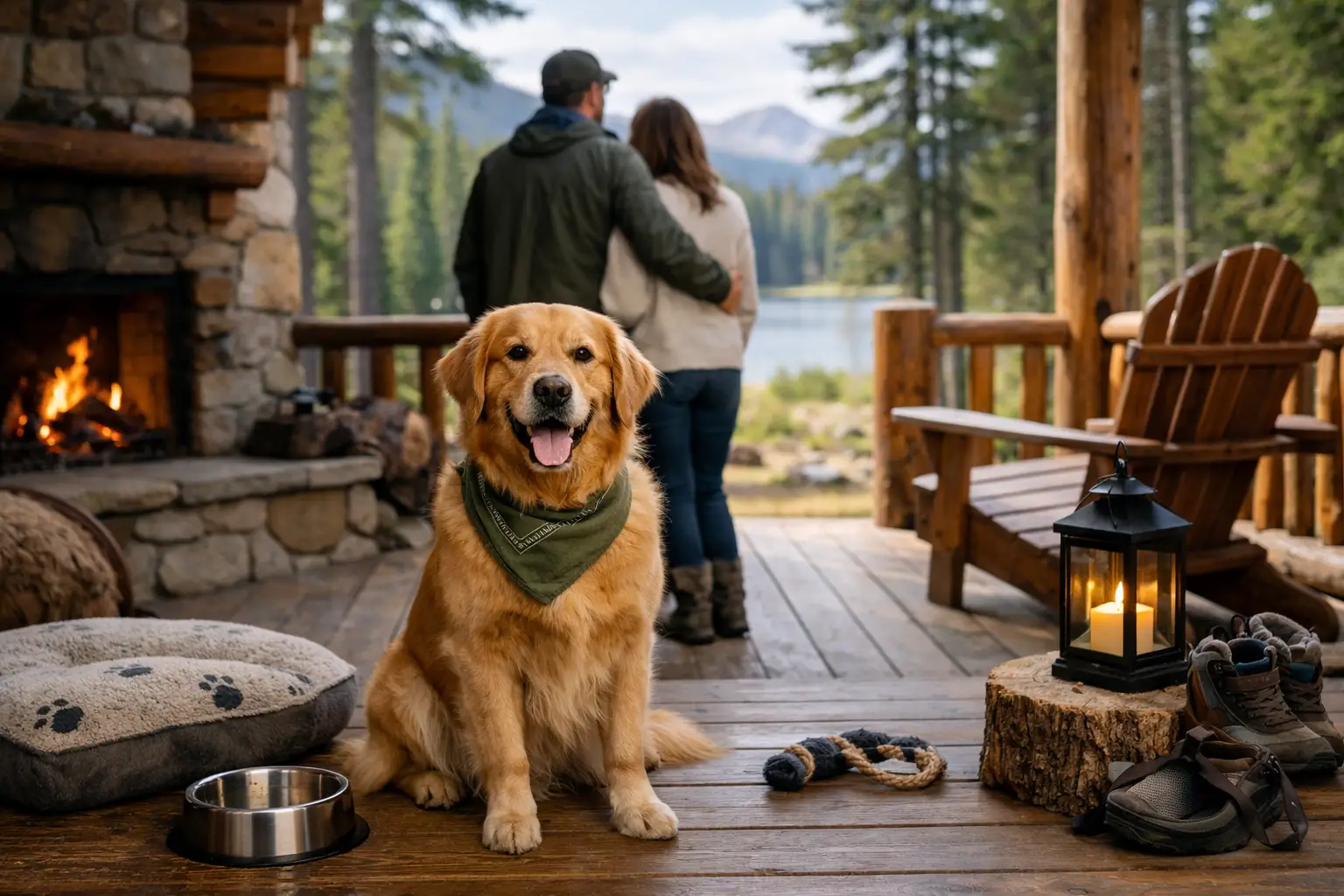
A cabin getaway is better when the whole family can come along, muddy paws and all. This pet friendly cabin rules guide helps you plan for the parts of the trip that matter most: a comfortable dog, a well-cared-for cabin, and more time spent enjoying the woods instead of managing avoidable problems.
A little preparation makes a big difference. Your dog gets to sniff new trails, nap near the fire pit, and settle in beside you after a day of exploring. In return, thoughtful guests help keep pet-friendly cabins welcoming for the next family and their four-legged travel companion.
Read the Cabin’s Pet Policy Before You Pack
Every pet-friendly cabin has its own house rules. Some welcome a certain number of dogs, while others have size, breed, age, or crate requirements. Policies may also explain where pets are allowed, whether they can be left alone, and what guests are responsible for if a pet causes damage.
Read those details before booking rather than assuming every cabin operates the same way. A dedicated outdoor dog run, for example, is a wonderful convenience, but it does not necessarily mean a dog can be left outside unattended. Likewise, a private wooded setting can feel wonderfully secluded, yet local wildlife, unfamiliar sounds, and changing weather still call for supervision.
If a policy is unclear, ask before your stay. It is much easier to confirm expectations ahead of time than to arrive with a pet that does not fit the cabin’s guidelines.
Plan the Right Stay for Your Dog
Not every dog enjoys travel in the same way. A calm older dog may be happiest with a quiet deck, short walks, and a soft place to sleep. A young, energetic dog may need several breaks, playtime, and a secure outdoor area before settling down indoors.
Think honestly about your dog’s habits in a new place. Do they bark at unfamiliar noises? Jump on furniture? Become anxious when left alone? These are not reasons to skip a getaway, but they can shape your cabin choice and daily routine. A private retreat with room to spread out may be more comfortable than a busy hotel, especially for dogs that need a calmer environment.
For a Hocking Hills trip, build a little flexibility into the plan. Long hikes, waterfalls, scenic drives, and meals out can make for a full day. Your dog will appreciate downtime between adventures, particularly in warm weather or after spending hours on uneven trails.
Bring the Familiar Things
A new cabin can be exciting and a little overwhelming for a pet. Packing familiar items helps your dog understand that this is a safe place to rest. Bring their regular food, bowls, medications, leash, waste bags, favorite toy, bed or blanket, and a towel for wet paws.
It also helps to pack a long lead only if the property permits it. Never tie a dog near a fire pit, deck railing, or outdoor furniture where they could become tangled or frightened. A standard leash is usually the best choice for arrivals, departures, walks, and any time you are moving around an unfamiliar property.
Pet Friendly Cabin Rules That Protect Everyone
The best cabin rules are simple: keep your pet safe, respect the space, and leave the property ready for its next guests. That means keeping dogs under control outdoors, picking up waste promptly, and preventing unnecessary damage inside.
Cabins often include features that make a getaway special, such as hot tubs, outdoor showers, decks, grills, and fire pits. Those amenities deserve extra attention when a pet is nearby. Hot tub covers should stay closed when not in use, and dogs should not be allowed in hot tubs. Heat, chemicals, and slippery surfaces can create a real safety risk. Keep pets well back from an active fire pit, too, especially when sparks, food, or excited guests are involved.
Indoors, follow the cabin’s furniture policy. If pets are allowed on sofas or beds, use the linens or covers provided, if available. If they are not allowed on furniture, bring your dog’s own bed and reinforce that routine from the moment you arrive. A quick wipe of paws after a rainy walk can save a great deal of cleanup, particularly on cabin floors, rugs, and bedding.
For most stays, these five habits prevent the most common issues:
- Keep dogs leashed or safely contained outside.
- Pick up waste from the yard, dog run, and walking areas.
- Do not leave a barking or anxious pet alone for long periods.
- Keep pets away from hot tubs, fires, grills, and wildlife.
- Report an accidental spill or damage right away.
Reporting an issue is not about spoiling the trip. It gives the host a chance to help, whether that means sharing cleanup instructions or arranging a simple repair before it becomes a larger problem.
Use Outdoor Spaces With Care
One of the joys of a cabin stay is stepping outside with your dog in the morning, coffee in hand, with nothing but trees and birdsong around you. Outdoor dog runs and open areas can make those moments easier, but they are not a substitute for paying attention.
Check gates and latches before letting your dog into an enclosed area. Stay nearby, especially if your dog is a jumper, a digger, or easily startled. In wooded areas, watch for sticks, mushrooms, burrs, ticks, and signs of wildlife. A dog that is perfectly obedient at home can become distracted by the scent of deer or squirrels in a new setting.
Quiet hours matter outdoors as much as they do indoors. Even private cabins may be near other guests, nearby homes, or wildlife that should not be disturbed. If your dog tends to alert-bark, bring them inside when they become worked up rather than letting the noise continue.
At Majestic Woods Cabins, the blend of private cabin space, outdoor recreation, and dedicated dog runs can make it easier to include your pet in the getaway. The same courtesy still applies: use shared activity areas thoughtfully, keep your dog close around other guests, and give them a calm place to rest after play.
Keep Hiking and Local Outings Comfortable
Before heading to a trail or attraction, confirm its current pet rules. Policies can differ by park, trail section, season, and event, so do not rely on an old social media post or a previous trip. Many outdoor places welcome leashed dogs, while indoor attractions, certain trail areas, and busy public spaces may not.
Carry water for both of you, even on a mild day. Rocky paths can be hard on paws, and warm pavement can be surprisingly uncomfortable in summer. Check your dog after a hike for ticks, cuts, and debris between the toes. If your pet is not used to long walks, choose a shorter route and let them set a reasonable pace.
A cabin is also a good reason not to overpack the itinerary. Leave time to return, rinse off dusty paws, enjoy a meal on the deck, and let your dog sleep. Rest is part of the getaway for everyone.
Before You Check Out
The final morning is a good time for one slow walk around the cabin and yard. Look under furniture for toys, check the dog run for waste, inspect outdoor areas for a forgotten leash or bowl, and make sure doors and gates are secure. If your dog has shed heavily, a quick sweep or tidy-up is a considerate touch, even when a cleaning fee is part of the reservation.
Leave the cabin in the condition you would hope to find it: peaceful, clean, and ready for another guest to enjoy. When guests treat a place with care, pet-friendly travel stays possible for more people, more dogs, and more quiet weekends in the woods.
The best trips are not perfectly scheduled. They are the ones where your dog curls up tired and content after a trail walk, the fire crackles outside, and you can relax knowing everyone has room to breathe.
